


How to Create a Calm Corner in Home for Your Little One?
release time:
2024-07-11 15:21
source:
How to Create a Calm Corner in Home for Your Little One?

What is the Calm Coner?
The Calm Corner is a common strategy used in preschool and home environments to help children manage their emotions and regain calm. The Calm Corner was designed with theories of positive thinking meditation, emotion regulation and positive behavioural support in mind, and provides a safe, comfortable and non-punitive space where children can temporarily leave a noisy environment to self-soothe and emotionally restore themselves when they are stressed, frustrated or angry and emotional recovery.
Features & Functions
Calm and Secure: Calm corners are often set up to be warm and cosy, using pastel colours and comfortably textured materials such as pillows, blankets and soft floor cushions to create a relaxing atmosphere.
Self-regulation Tools: Corners can be equipped with items to help children self-soothe, such as sensory toys, emotional flashcards, quiet books, breathing balls or timers to help children learn deep breathing, mindfulness meditation or other relaxation techniques.
Privacy and Personal Space: The Calm Corner may be set up with screens or curtains to provide a degree of privacy and allow the child to feel like he or she is in an exclusive, protected space.
Education and Instruction: At Calm Corner, children can learn to identify and express their emotions by reading emotion management storybooks or playing emotion recognition games.
Time Limit: Visits to Calm Corner are usually limited in time, typically 5-10 minutes, to avoid prolonged isolation of children while encouraging them to rejoin group activities.
Objective
Emotional Regulation: To help children learn to recognise and manage their emotions and restore calm through self-soothing techniques.
Self-awareness: To encourage children to become aware of their own emotional states and to take appropriate measures to cope with them.
Social Skills: To teach children how to appropriately seek personal space rather than engage in aggressive behaviour when faced with conflict or stress.
Positive Behaviour Support: Providing a positive alternative to punishment and encouraging children to develop healthy emotional coping mechanisms.

How to Create a Calm Corner?
Setting up a Calm Corner in your home for your baby is a great idea that not only provides a safe and comfortable environment, but also helps your baby develop independence and focus. Here are some steps and suggestions to help you create such a space:
1. Choose the Right Location:
Find a corner away from busy areas of the home, such as a quiet corner in the living room or an open space in your baby's bedroom.
Make sure this corner has enough natural light, but avoid direct sunlight to cause discomfort.
2. Safety First:
Make sure everything in the corner is safe, with no sharp edges and small items that won't become a choking hazard.
Use safety measures such as bumper corner protection and outlet covers to make sure your baby doesn't get hurt while playing alone in the corner.
3. Comfortable Flooring:
Lay down a soft carpet or foam mat to provide a warm, cosy floor for your baby to crawl and sit on.
Floor mats can be chosen in soft colours and simple patterns to avoid distracting your baby with overly bright colours.
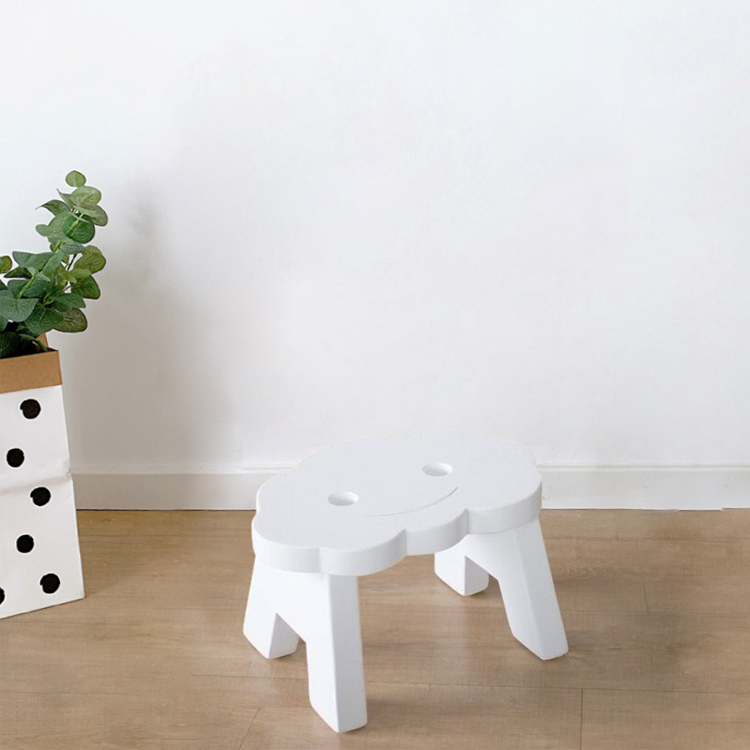
4. Appropriate Furniture:
Depending on your baby's age, place some low furniture such as a small bookshelf, toy basket or small table and chair.
Ensure that your baby can easily reach and use this furniture to promote independence.
5. Provide Appropriate Toys and Books:
Place age-appropriate toys such as cloth books, soft plush toys, puzzles or stacking blocks.
Choose books, preferably cloth or hard-page books that don't tear easily and allow baby to explore freely.
6. Sensory Stimulation:
You can add some sensory stimulation elements, such as richly textured fabrics, hanging decorations or music boxes, but not too much so as not to distract your baby's attention.
7. Visual Appeal:
Hang some simple artwork or photos of your baby on the wall, but avoid overly complex patterns or strong colours that may cause over-stimulation.
8. Personalisation:
Involve your baby in the decorating process by choosing their favourite toys or decorations to make the corner their own little world.
9. Regular Updates:
Change the toys and books in the corner regularly to keep them fresh and stimulate baby's interest and curiosity.
10. Monitor and Interact:
Even if it's a Calm Corner, make sure an adult can observe your baby at all times and interact if necessary to ensure their safety and emotional stability.

With these steps, you can create a Calm Corner that is both cosy and educational for your baby, which is not only their private space, but also a playground for them to grow and learn.
Education and Instruction,Emotional Regulation,Positive Behaviour Support


Skype
Add
Liaoning Dalian
©2022 JOYSUN KIDS Porwer by www.300.cn dalian
©2022 JOYSUN KIDS Porwer by www.300.cn dalian