


How to create a cosy reading corner for your child?
release time:
2024-09-02 14:10
source:
How to create a cosy reading corner for your child?
Creating a cosy reading corner for your child will not only stimulate their interest in reading, but also provide them with a quiet environment in which to study. Here are some specific suggestions to help you create an ideal reading space:
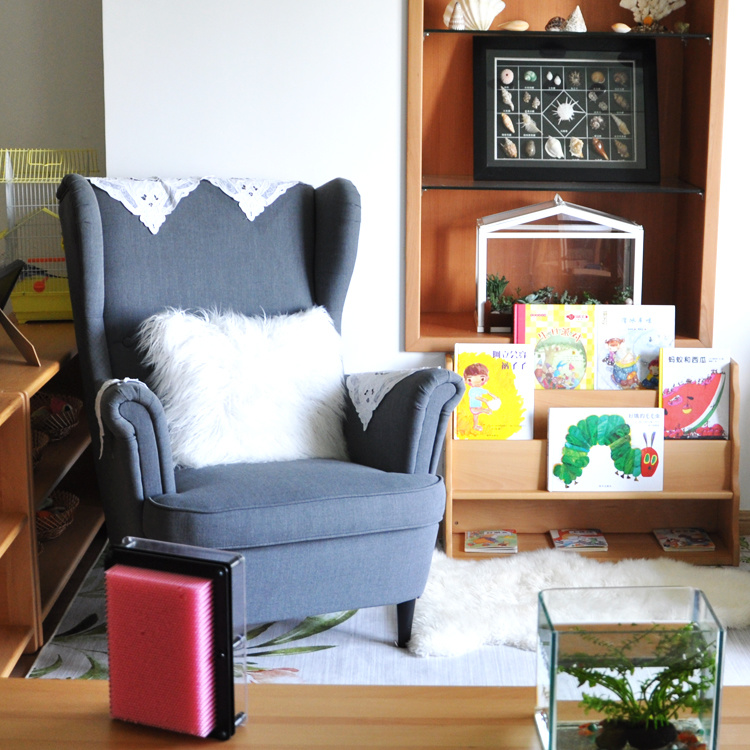
1. Choose A Suitable Location
Quiet corner: choose a relatively quiet location in your home to avoid distractions such as TVs and computers.
Natural light: choose a location by a window if possible and use natural light to illuminate the room, which is good for the eyes.
Private space: even if it is a small space, let your child feel that it is a territory that is their own.
2. Comfortable Seating
Soft cushions: place one or more soft cushions, bean bag chairs or small sofas where your child can sit comfortably.
Adjustable height: choose a chair with an adjustable height so that it can be adjusted to the right height for your child's height and ensure that your child's feet are flat on the floor.
Adjustable backrest: if possible, choose a chair with an adjustable backrest angle so that your child can maintain a natural spinal curve.
Strong structure: ensure the chair is structurally stable and free from wobbling, avoiding accidents when your child is using it.
Wide base: wide base increases the stability of the chair.
Appropriate size: the size of the chair should be appropriate for the size of the child; too small will be uncomfortable and too large may lead to improper posture.
Arm support: arms can rest naturally on the armrests and at a 90-degree angle at the elbow.

3. Adding Personalised Touches
Personalise the elements: involve your child in the design of the corners by letting them choose the wall hangings or posters.
Colour palette: use warm and calming colours to create a cosy atmosphere.
4. The Right Bookshelf
Low bookshelves: choose bookshelves that are low and easy for children to access, with book covers displayed facing outwards for easy selection.
Creative storage: baskets, boxes or homemade fabric shelves can be used to organise books.
No sharp corners: the corners of the bookshelf should be rounded to avoid children bumping and getting hurt.
Eco-friendly materials: make sure the bookshelf is made of non-toxic and eco-friendly materials, especially paint and glue.
Open design: choose bookshelves with an open design so that your child can easily see and reach the books.
Showcase covers: bookshelves should be designed so that the covers of the books face outwards, which will attract the child's attention.
Combination bookshelves: some bookshelves can be used in combination with other furniture, for example attached to a writing desk to create a study area.
Mobile bookshelves on wheels: for small spaces, bookshelves on wheels can be moved flexibly to save space.

5. Add Reading Aids
Table lamp: a small table lamp with adjustable brightness is useful for night-time reading.
Reading light: consider installing a wall or clip-on lamp to provide extra light for reading.
6. Consider Storage Solutions
Baskets or boxes: for storing magazines, newspapers, or other reading materials.
Multi-tier shelves: use wall space to install multi-tier shelves to increase storage space without taking up floor space.
7. Regularly Updated Books
Rotation: change books on the shelf regularly to keep them fresh.
Themed activities: change themed books according to festivals or seasons to stimulate children's interest.
8. Creating A Reading Atmosphere
Music: play soft background music to help your child relax.
Aromatherapy: use gentle aromatherapy oils to create a calming environment.
9. Encourage Family Reading Time
Read together: schedule family reading time and enjoy reading with your child.
Role modeling: parents should also read in this corner and be role models for their children.
10. Safety First
Non-toxic materials: make sure all materials used are environmentally friendly and non-toxic.
Stability: check that all furniture is stable to avoid accidents while your child is using it.

By doing the above, you can create a practical and cosy reading space for your child, which will not only help to boost their interest in reading, but also promote the parent-child relationship.
Cosy Reading Corner,Comfortable Seating,Low Bookshelves


Skype
Add
Liaoning Dalian
©2022 JOYSUN KIDS Porwer by www.300.cn dalian
©2022 JOYSUN KIDS Porwer by www.300.cn dalian