


At what age is Montessori most effective?
release time:
2023-04-17 15:09
source:
At what age is Montessori most effective?
Montessori education is most effective when children are enrolled in a program between the ages of two and six. During this period, children learn quickly and absorb information easily, making Montessori’s self-directed learning approach incredibly impactful. This age range has seen the greatest success at developing core skills such as problem solving, critical thinking, and collaboration with peers. The hands-on activities that are part of the Montessori technique encourage exploration and independence which allow students to become confident learners who can think creatively and independently.
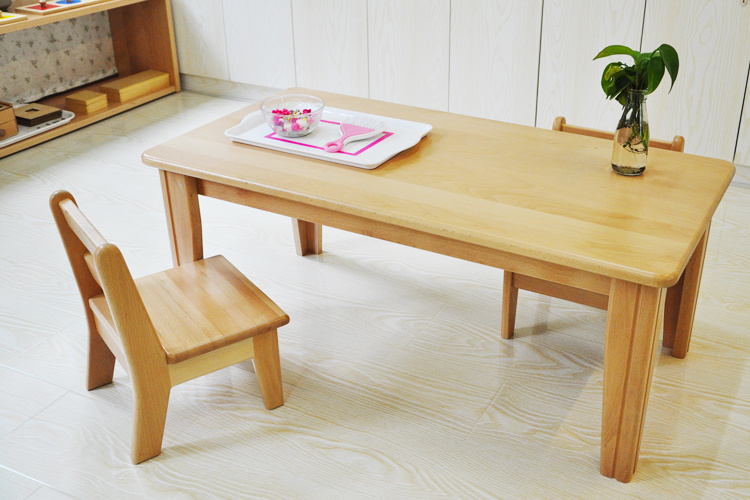
When it comes to the best age for Montessori school, many parents are often surprised to find that there is no single answer. In fact, the optimal age can vary depending on a child's developmental needs and interests. Generally speaking, most children begin at around 3 years old and can stay in the program until they reach 6 or 7 years of age. The key to determining the right time to enroll your child in a Montessori school is to observe how he or she responds and interacts with their environment. The Montessori approach emphasizes self-directed learning, so it’s important that your child be able to focus on activities independently and feel comfortable exploring their surroundings. With this in mind, you should look for signs such as attention span, concentration and problem-solving skills to determine if a Montessori school is the right fit for your child.
While Montessori programs can still have positive effects on older children, younger students tend to benefit more from it due to their capacity for rapid learning. Additionally, research shows that well developed cognitive and social skills formed during the early years have a profound impact on learning and development for the rest of their lives. Therefore, enrolling a child in Montessori at an early age can provide long-term benefits as well as allowing them to get started on the path of self-directed learning. Additionally, because of the community-based nature of Montessori schools, it’s important to consider a child’s social and emotional development as well. Many younger children may not be ready for the more independent learning style that the Montessori approach requires and therefore might benefit from an alternative type of early education program. At the same time, older children may find themselves feeling bored or unchallenged in a Montessori school. In other words, age alone is not always indicative of whether or not a child will thrive in this type of educational setting.
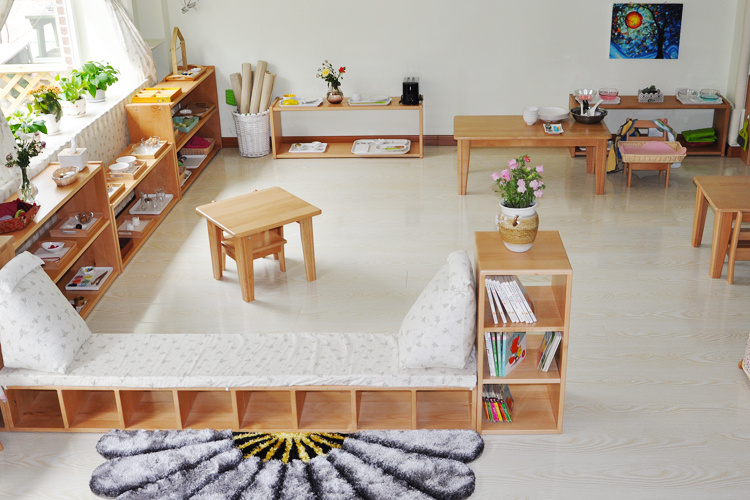
In conclusion, while Montessori education may still offer positive outcomes to older students, it is most effective when children are between two and six years old. This period of rapid learning allows students to gain strong cognitive and social skills that will stay with them throughout their lives. By enrolling a child in Montessori during this phase, they will be able to benefit from its self-directed teaching approach and develop into confident learners who can think for themselves.
Montessori’s Self-directed Learning,Montessori Technique,Montessori Approach


Skype
Add
Liaoning Dalian
©2022 JOYSUN KIDS Porwer by www.300.cn dalian
©2022 JOYSUN KIDS Porwer by www.300.cn dalian