


What makes a Montessori classroom different?
release time:
2023-04-20 13:27
source:
What makes a Montessori classroom different?
Montessori classrooms are designed to provide children with a holistic and individualized educational experience. As opposed to traditional classrooms, Montessori classrooms focus on independent learning and self-directed exploration. They emphasize the development of the whole child by providing the freedom for children to learn in their own way and at their own pace, while also fostering collaboration. In contrast to conventional classrooms where instruction is typically teacher-led, Montessori classes rely on materials that allow children to learn through hands-on activities. These activities help promote self-expression and creativity, problem solving skills, and critical thinking. Additionally, they emphasize respect for one another and foster independence, responsibility, and teamwork among students. The overall goal of a Montessori classroom is to help children develop the skills they need to become life-long learners. Through this approach, students can grow into independent and confident individuals who are prepared for the future.
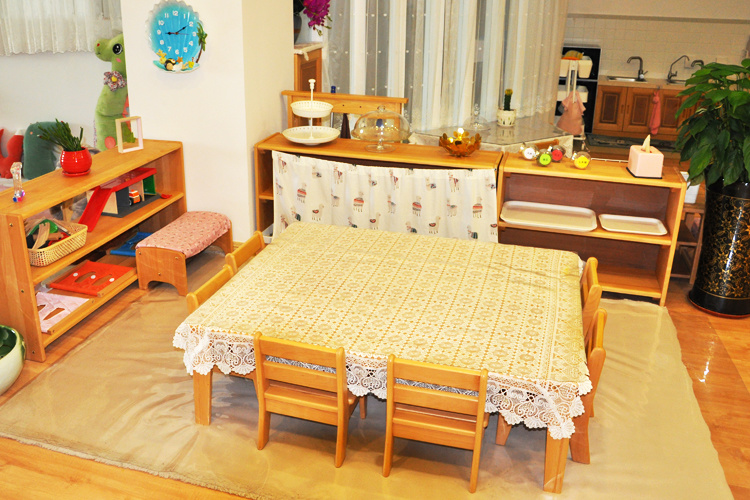
Montessori classrooms are designed to create an environment for active learning. Multiple senses are used in Montessori education to help foster a deeper understanding of the material being studied. Instead of just reading or listening to lectures, students engage with educational materials through touch, smell, taste, sight and sound. For example, math activities such as counting beads on strings involve tactile exploration; science materials such as magnifying glasses can be used to observe plants and small organisms up close; language activities that include sorting objects by different qualities can help children learn new vocabulary words. With this approach, children gain a more comprehensive understanding of topics than they would through traditional lecture-style methods. This multi-sensory experience also helps motivate them to learn, as they are actively involved in the process.
Furthermore, Montessori classrooms strive to create a peaceful and nurturing environment that is welcoming to all children. The classroom layout is designed with learning activities in mind, encouraging children to move freely through the space as they explore different materials and concepts. Additionally, teachers provide guidance throughout the day but also give students freedom of choice by letting them choose what activities they want to do at any given time. This type of autonomy allows children to gain confidence in their own abilities while developing an intrinsic motivation towards learning. In this way, Montessori classrooms promote a sense of community and foster the development of important social skills. With the help of a caring and knowledgeable Montessori teacher, students can gain an understanding of how to work together as a team and become productive citizens in their communities. Montessori classrooms prioritize hands-on learning above all else. Children have access to a variety of materials and tools to explore educational concepts. This gives them the opportunity to develop their problem-solving skills and apply what they’ve learned in practical ways. For instance, children may use sorting blocks to learn about shapes and colors or work with puzzles to practice counting and other math concepts. By giving students an active role in learning, Montessori education helps foster an environment of independent discovery and exploration.
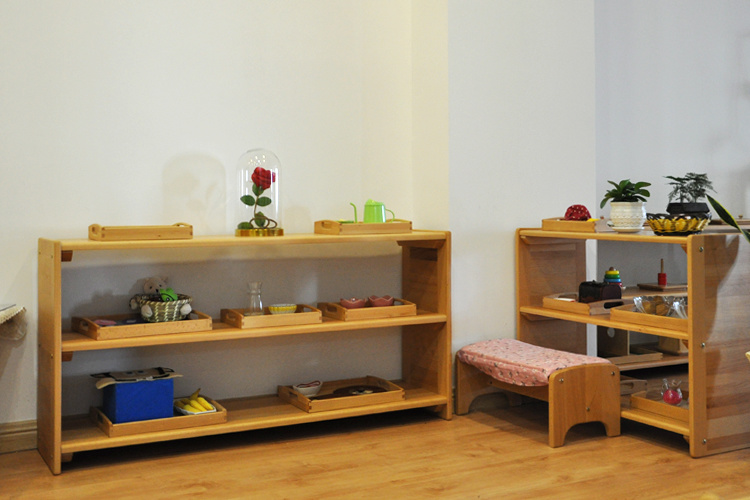
In conclusion, Montessori classrooms provide an alternative educational experience that encourages children to learn through exploration and independent work while also developing important social skills. Through this approach, children are able to develop the confidence and motivation they need to become life-long learners. Moreover, these classrooms create a peaceful environment that is welcoming to all children so that they can gain an understanding of both themselves and the world around them. Overall, Montessori classrooms offer an effective learning experience for young minds that emphasize independence, responsibility, respect for others, and personal growth.
In summary, Montessori classrooms provide an engaging multi-sensory experience that encourages hands-on learning and encourages children to become more independent learners. This approach helps students gain a deeper understanding of topics, develop problem-solving skills and become more motivated to learn.
Individualized Educational,Independent Learning,Self-directed Exploration


Skype
Add
Liaoning Dalian
©2022 JOYSUN KIDS Porwer by www.300.cn dalian
©2022 JOYSUN KIDS Porwer by www.300.cn dalian