


What is the main purpose of Montessori?
release time:
2023-04-27 08:51
source:
What is the main purpose of Montessori?
Montessori schools are special educational institutions that prioritize the development of children's individual abilities and interests. The unique methods used in Montessori schools focus on developing a child's natural curiosity, creativity, and self-motivation to foster independent learning. Through hands-on activities and materials specifically designed for each age group, students learn by exploring the environment around them. These environments foster collaboration among peers while allowing each student to work at their own pace. With this learning approach, Montessori schools are able to provide an enriched learning experience that encourages critical thinking skills as well as personal and social growth. Ultimately, the goal of a Montessori school is to create an environment where children can reach their full potential both academically and emotionally. By teaching children to think for themselves, Montessori schools help to prepare students for success in the future.
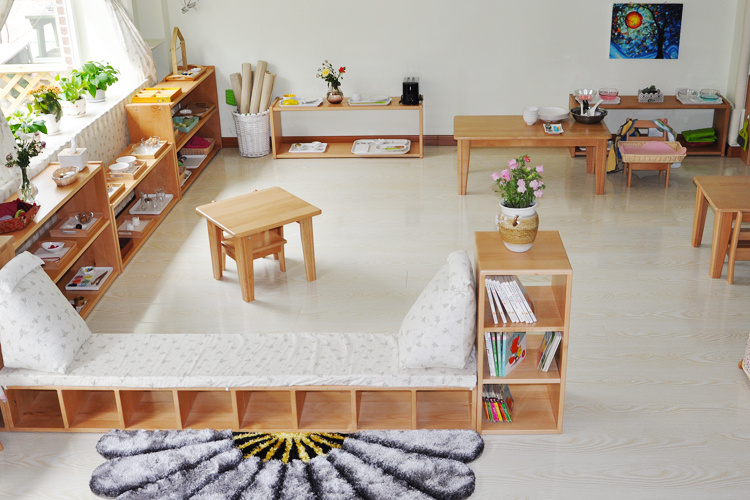
The main purpose of the Montessori Method is to provide children with an educational approach that focuses on their individual development and learning. With this method, children are encouraged to explore, observe, and experiment with materials and activities in order to gain knowledge and develop skills. This hands-on learning emphasizes respect for a child’s own unique pace of development while also providing them with a sense of accomplishment and joy. In other words, it allows children to learn at their own speed as they discover new things through self-directed play, group instruction, and direct interactions with teachers. The focus of the Montessori Method is not only academic but also emotional, physical, spiritual, social, aesthetic, practical life skills such as daily living tasks like cooking and cleaning, and a deeper understanding of the world. The Montessori Method also places an importance on providing an environment that is conducive to learning in order to foster independent exploration and active participation in learning. This includes having materials laid out in an organized fashion, encouraging children to work with others, using small group instruction, allowing children to make choices about activities they would like to engage in, and forming positive relationships with teachers who serve as guides or mentors for each student. By providing kids with a safe space that encourages their own exploration and expression of ideas, Montessori educations provide students with the tools necessary for lifelong success. Ultimately, the Montessori Method is about giving children the opportunities to grow and learn in ways that are meaningful to them. It allows them to confidently become independent thinkers who will take what they have learned in their classrooms and apply it to real-world situations. The overall goal of this approach is for students to develop a passion for learning and be well-rounded individuals who are ready for the future.
Montessori education can be seen as an alternative to traditional schooling, emphasizing active learning through interaction with the environment rather than passive reception of information. This approach is based on the belief that children learn best when they are allowed to make discoveries by themselves and explore their own interests. Through careful observation and guidance from educators, children at Montessori schools are encouraged to take ownership of their own learning process and develop a sense of self-confidence. Additionally, students learn about cooperation and collaboration as they discover how to work together towards common goals. In this way, Montessori schools provide a holistic educational experience that prepares children for life beyond school. In conclusion, the Montessori Method is an educational approach that focuses on the individual development and learning of children. It emphasizes respect for a child's own unique pace of development while providing them with a safe space to explore and express their ideas. The Montessori Method encourages independent exploration, hands-on learning, small group instruction, active participation in learning, and developing a deeper understanding of the world. Ultimately, it fosters an environment in which students can become independent thinkers who will take their classroom knowledge into real-world situations. In this way, the Montessori Method works to prepare children for lifelong success.
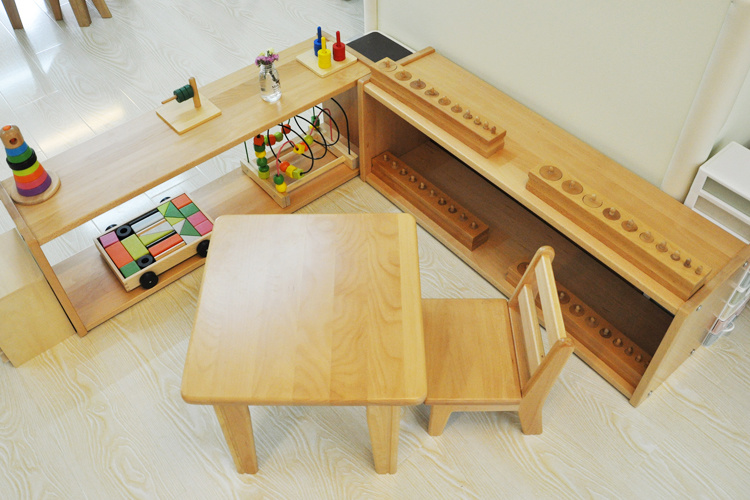
The Montessori method is based on the idea that children should be given freedom within a structured environment so they can develop their own capabilities and interests. The approach to learning emphasizes respect for the individual student, allowing each child to learn at their own pace through exploration of the classroom, materials, and activities offered. This approach also encourages independence, problem solving skills, creativity, and critical thinking as students discover new ways of doing things. Most importantly, this method fosters an atmosphere of collaboration where students learn how to work together effectively towards common goals. With these principles in mind, Montessori schools are committed to helping children become knowledgeable citizens who make meaningful contributions to society in the future.
Child's Natural Curiosity,Independent Learning,Enriched Learning Experience


Skype
Add
Liaoning Dalian
©2022 JOYSUN KIDS Porwer by www.300.cn dalian
©2022 JOYSUN KIDS Porwer by www.300.cn dalian