


Why are Montessori schools so expensive?
release time:
2023-05-11 09:01
source:
Why are Montessori schools so expensive?
Montessori schools are more expensive than other schools for a variety of reasons.
Primarily, the cost of Montessori education is higher because it requires more resources and staff to provide the individualized learning environment that is unique to Montessori methods. This includes materials such as manipulatives, specially trained teachers and assistants, smaller classrooms, and additional activities such as outdoor time. The attention and guidance each student receives in a Montessori setting also contributes to the elevated expense. Studies have shown that students who attend a Montessori school not only excel academically and socially, but also benefit greatly in terms of their overall well-being. One study found that graduates of a Montessori program scored significantly higher on college entrance exams compared to non-Montessori students. In addition, they were more likely to be accepted into selective colleges and universities and attain better grades once enrolled. Other research has demonstrated that children who attended a Montessori school exhibited greater self-directedness, creativity, and problem solving skills than those who did not. The additional financial investment associated with sending a child to a Montessori school is not insignificant, but the positive outcomes associated with this type of education more than make up for it. Considering that the quality of education a child receives in their formative years has long-term implications on their future prospects, investing in Montessori education can be seen as an investment in your child's future success. By providing students with an environment that encourages learning and development, as well as fostering important social skills and life values, Montessori schools set children up for success that goes beyond academic achievement. Investing in Montessori education means giving your children the opportunity to reach their full potential and lead happier lives.
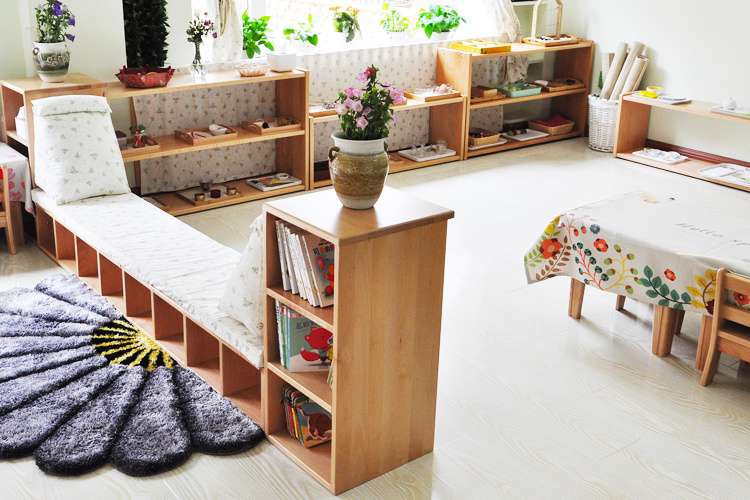
Additionally, many Montessori schools place a greater emphasis on sustainability and environmental awareness than traditional schools do, which can involve purchasing organic food or implementing green initiatives like composting or energy conservation policies. Montessori schools are leading the way in terms of environmental awareness and sustainability. By teaching children from a young age that they are responsible for taking care of our planet, Montessori schools can help raise a generation of environmentally conscious individuals. They focus on educating students about the importance of conserving resources, reducing waste, and managing energy correctly. These concepts are taught in all areas of study including science, math, language arts, art and music. In addition to introducing these topics into their curricula, many Montessori schools have implemented green initiatives like setting up composting systems or installing solar panels on their campuses to demonstrate how people can actively engage with sustainable living practices. With an increased focus on sustainability and environmental awareness in Montessori education, the next generation of leaders will be better equipped to make informed decisions about protecting our planet.Montessori schools are empowering young people to make a difference in their communities and the world at large. By teaching them about topics such as renewable energy, eco-friendly habits, and conservation initiatives, Montessori schools are helping students to become more aware of the impact their actions have on our environment. Additionally, by engaging children in activities like planting trees or cleaning up beaches, they can gain a hands-on experience with environmental responsibility. This type of education not only prepares children for life after school but also helps instill values around sustainability that will stay with them throughout adulthood. With this type of education, we can create an environmentally responsible future. The Montessori approach to learning is truly unique in terms of its emphasis on sustainability and environmental awareness. By teaching students the importance of taking care of our planet from a young age, Montessori schools are helping to create a more environmentally conscious future. With an increased focus on sustainable practices, we can ensure that generations to come will have a healthy and vibrant world to call home.
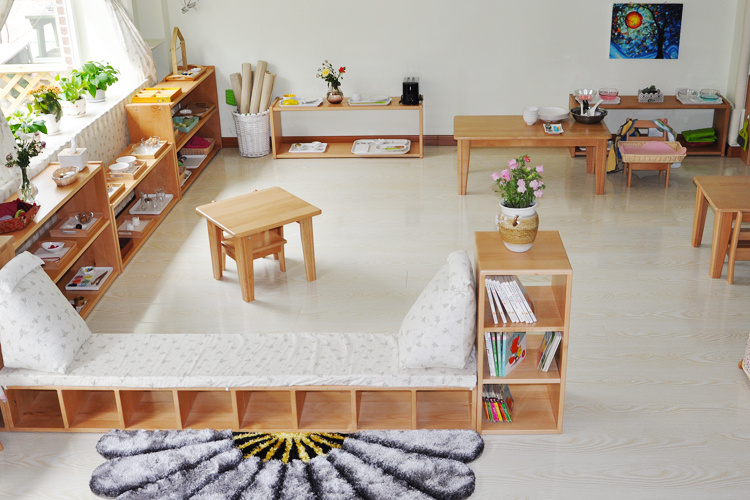
Finally, the overall educational model implemented by Montessori schools often requires a greater financial commitment than other types of schooling since a long-term approach is taken rather than traditional year-to-year curriculums. Montessori schools offer a unique and specialized learning experience that is often worth the additional financial commitment. By providing an environment that is tailored to each individual student’s needs, Montessori schools are able to nurture a child’s natural curiosity and creativity. The curriculum is structured around self-directed exploration, allowing students to move at their own pace while being exposed to various ideas and materials. Additionally, teachers act as guides rather than lecturers, providing support and direction when needed but ultimately allowing students to take control of their education. Through this approach, children develop confidence in their abilities and cultivate critical thinking skills that will benefit them for years to come. While there may be initial monetary costs associated with attending a Montessori school, the long-term benefits that come with it far outweigh those costs. Educational research has consistently shown that children who attend Montessori schools perform better academically and have higher rates of college acceptance than their peers in traditional educational settings. By fostering an interest in learning and creative expression, Montessori Schools are able to provide students with a foundation for success that will stay with them throughout their lives. Ultimately, the investment in a Montessori school is more than just financial — it’s an investment in a child’s future.
Ultimately, Montessori schools require an investment in resources and time that results in higher costs for parents and students alike. Montessori schools are a great choice for parents and students who are looking for an education that is more than just rote memorization. The focus on the development of the whole child – from social, emotional, physical, intellectual, and self-expression skills – creates a well-rounded student with greater potential for academic achievement. While these benefits may be worth the additional resources and time required to attend a Montessori school, it also comes at an increased cost. Tuition fees tend to be higher as teachers must have specialized training in order to teach in Montessori schools. Additionally, materials and supplies can be costly due to their unique design. In some cases, parents may find themselves spending more money up front for educational materials such as textbooks, manipulatives, or educational toys. Furthermore, materials must be replaced regularly as they are often subject to wear and tear from student use. Although the cost of a Montessori education may seem high initially, parents should also consider its long-term benefit – an enriched learning experience for their child that can have lasting effects on their academic and personal growth. Ultimately, the investment in a Montessori school will pay off in both short- and long-term dividends.
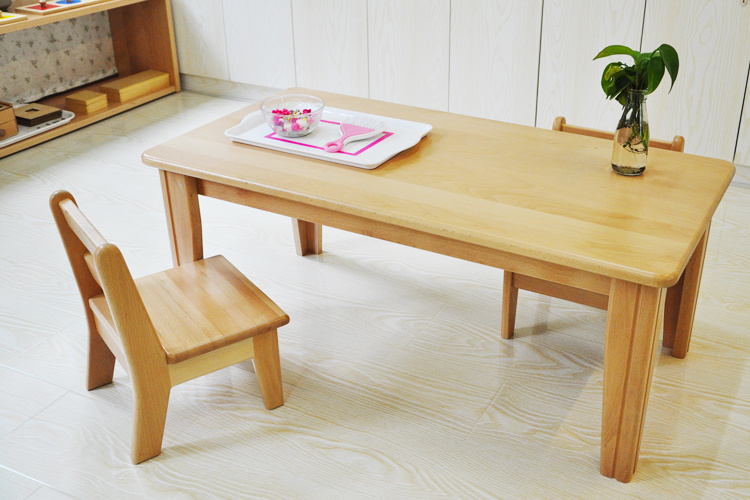
However, the unique learning environment they provide often makes it worth the additional expense. The individualized attention and experiential learning approach at Montessori schools often leads to more successful outcomes for students in terms of academic achievement, creativity, independence and self-discipline. Parents who are considering a Montessori education should weigh the cost versus the potential benefits when making their decision. All in all, the higher cost of Montessori schooling is often balanced out by the unique advantages it can provide.
Individualized Learning Environment,Montessori Education,Problem Solving Skills


Skype
Add
Liaoning Dalian
©2022 JOYSUN KIDS Porwer by www.300.cn dalian
©2022 JOYSUN KIDS Porwer by www.300.cn dalian