


What is the Montessori method of teaching?
release time:
2023-05-17 16:46
source:
What is the Montessori method of teaching?
The Montessori method of teaching is based on a child-centered educational approach developed by the Italian physician and educator Maria Montessori. It emphasizes independence, freedom within limits, and respect for a child's natural psychological development as well as physical growth.
The Montessori curriculum includes practical life skills such as pouring liquids or tying shoes, sensory activities to develop hand-eye coordination, mathematics concepts such as counting and recognizing numbers, language arts, history, geography, art, music and many other subjects that are taught in an interdisciplinary manner. Children learn through exploration and discovery inside the prepared environment with materials designed to support their individual learning. In a Montessori classroom children work both independently and collaboratively in groups to complete tasks set out for them. The goal of the Montessori method is to foster a student's natural desire to learn and develop holistically, allowing children to progress at their own individual pace and level of understanding. This educational approach encourages creative thinking, solving skills and social-emotional development from an early age.
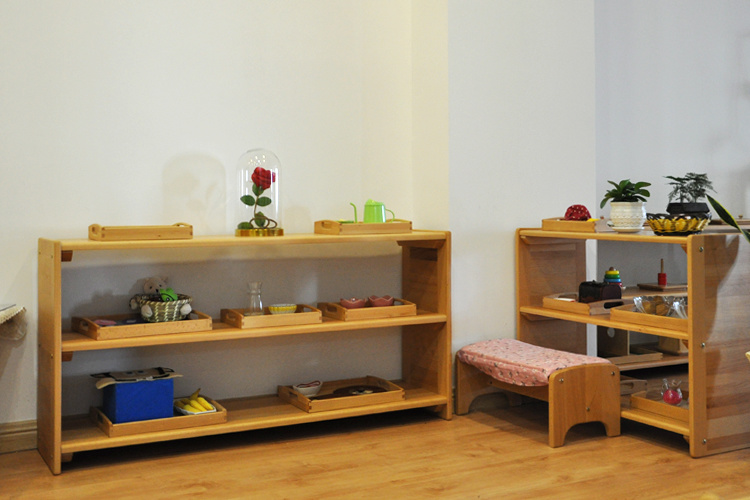
It has been used successfully in preschools, primary schools, and secondary schools for more than 100 years and is becoming increasingly popular around the world. Montessori education promotes a lifelong love of learning by providing children with meaningful opportunities to explore topics that interest them while developing essential life skills. It also emphasizes respect for oneself, others, one’s environment, and the world as a whole. By fostering self-discipline, concentration, and collaboration, Montessori education encourages students to become independent and engaged learners. With its focus on hands-on learning experiences, the Montessori method can provide an ideal educational environment for children of all ages.
At the heart of the Montessori method is a belief that each child has an immense capacity for learning and development if given freedom and structure within the classroom. The teacher in a Montessori setting acts as a guide rather than an authoritarian figure promoting autonomy in their pupils from an early age. Through observation, teachers identify when children are ready to move onto new skills or topics making sure not to rush their progress but allowing them enough time to fully understand concepts before introducing more complex ideas. Additionally, this approach poses unique opportunities for collaboration and cooperation between teachers, children and parents as the whole community works together to support each student in their learning journey.
The Montessori method has been proven to have many benefits for students of all ages, including improved academic performance, greater self-confidence, enhanced social skills, and a passion for learning that lasts a lifetime. Although it may take time for parents to adjust to this educational approach, if done correctly it can lead to remarkable results both in school and beyond. By providing an environment that fosters developmentally appropriate and individualized learning experiences while emphasizing respect, independence, and collaboration within the classroom setting, the Montessori method is an excellent way of preparing children for success in life. Additionally, this approach poses unique opportunities for collaboration and cooperation between teachers, children, and parents as the whole community works together to support each student in their learning journey.
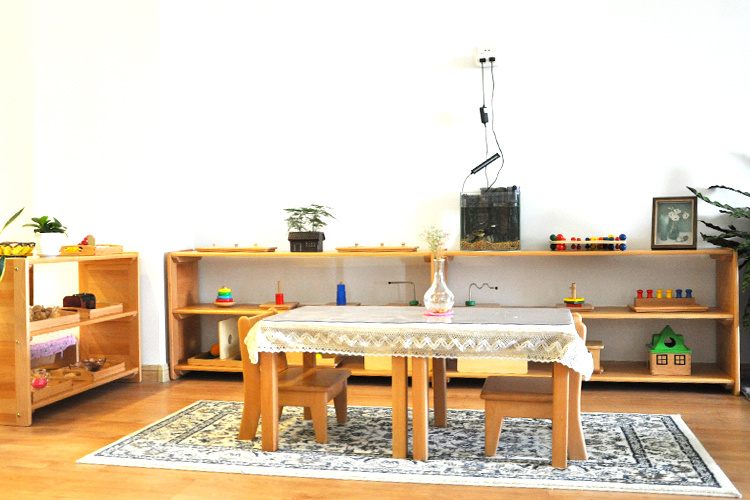
The Montessori method has been proven to have many benefits for students of all ages, including improved academic performance, greater self-confidence, enhanced social skills, and a passion for learning that lasts a lifetime. For young children it can also promote independence by allowing them to make choices in their work while building self-esteem through accomplishment. Although it may take time for parents to adjust to this educational approach if done correctly it can lead to remarkable results both in school and beyond. By providing an environment that fosters developmentally appropriate and individualized learning experiences while emphasizing respect, independence, and collaboration within the classroom setting, the Montessori method is an excellent way of preparing children for success in life.
The key to making a Montessori education successful is having qualified and experienced teachers who understand the principles behind it. A Montessori teacher must be able to observe each child closely to identify their individual needs and interests while creating a safe space for learning that encourages exploration and experimentation. Such teachers should also promote a respect for diversity among students by providing resources that reflect different cultures, backgrounds, and experiences. With the right kind of guidance from knowledgeable Montessori educators, children can grow up with lifelong love of learning while developing essential skills they need to succeed in life.
Montessori Method,Child-Centered Educational,Child's Natural Psychological


Skype
Add
Liaoning Dalian
©2022 JOYSUN KIDS Porwer by www.300.cn dalian
©2022 JOYSUN KIDS Porwer by www.300.cn dalian