


How to Craft Child-Centered Environments
release time:
2023-06-09 15:34
source:
How to Craft Child-Centered Environments?
Creating a child-centered environment is essential to helping children develop the necessary skills for success. Such an environment encourages open communication, problem solving, and collaboration among children and adults. It also promotes exploration, creativity, initiative-taking, and thinking outside the box. Child-Centered Environments are educational approaches that center on the individual needs of each student. They focus on building an environment based on fostering relationships, providing personalized learning opportunities, and creating a safe and nurturing atmosphere. This approach is in contrast to traditional educational settings which have a more top-down structure where the teacher leads lesson plans and directs instruction.

Child-centered environments should be structured to foster positive relationships between children and teachers or caregivers. This includes providing a safe space for expression of feelings, expressing respect for all ideas offered by children and adults in the room alike, encouraging cooperation rather than competition between peers, setting appropriate boundaries to maintain order within the environment, and giving positive reinforcement when appropriate. Additionally, allowing opportunities for choice allows children to take ownership of their learning and engage more deeply in activities they enjoy. Allowing children to make decisions about their learning can also help them become independent thinkers and creators, as well as build confidence in their abilities.
When creating a child-centered environment, it is important to provide materials that are age appropriate and engaging for the children. Materials should be rotated or switched out regularly to keep things interesting and encourage exploration of new concepts. In a child-centered environment, students are encouraged to take charge of their own learning by exploring topics of interest in depth while also being provided with the guidance necessary to help them reach their educational goals. Teachers act as facilitators who actively listen and guide conversations with students, helping them stay focused while providing support as needed. Through this approach, students become empowered to engage with materials at their own pace, and with a greater sense of ownership and autonomy.
Finally, having organized stations or areas within the room provides structure while still allowing for creativity. This might include areas for reading books, building with blocks, drawing with markers, playing music, doing art projects, etc., depending on the interests of the children being served. Having clear expectations communicated upfront will help create an environment where order and learning can coexist peacefully. In addition to fostering student agency, child-centered environments also prioritize building meaningful relationships between teachers and students as well as among the students themselves. Creating strong connections helps build trust and openness that allows for deeper learning experiences. Through this approach, both teachers and students are able to get to know one another in a more meaningful way, leading to increased engagement in learning activities. Ultimately, child-centered environments provide a more engaging and empowering learning experience for students by focusing on individual interests while also providing adequate support along the way. This approach makes it possible for all learners to reach their full potential by allowing them to explore topics they find most interesting while still being provided with the structure and guidance necessary for success.
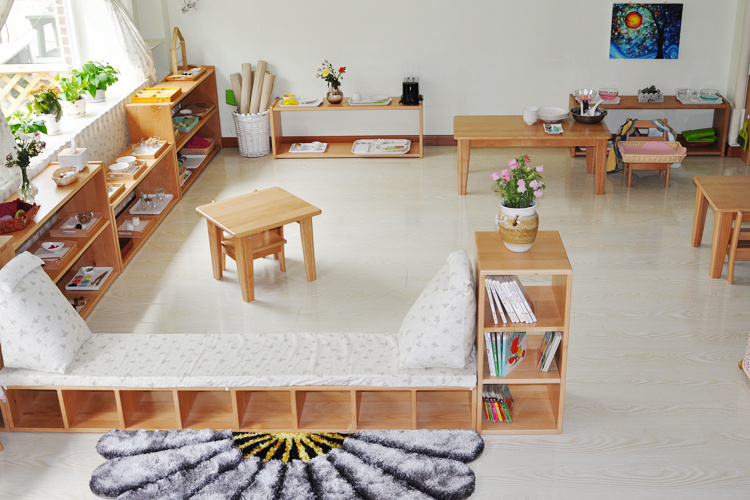
By crafting a child-centered environment, children are more likely to feel safe and secure while learning, which in turn sets them up for greater success as they grow and develop. These environments also promote collaboration among students, as they are free to work together on projects or discuss topics of interest in a safe and nurturing setting. By providing opportunities for open dialogue and problem-solving, students can learn from one another while developing their critical thinking skills. Through these collaborative experiences, children gain valuable communication and socialization skills that will be beneficial both inside and outside of the classroom. Overall, child-centered learning approaches have proven to be an effective way to provide a dynamic and engaging educational experience for all learners. By focusing on individual interests while providing adequate support along the way, these environments make it possible for students to reach their full potential while also gaining important skills that will be beneficial as they continue to grow and develop.
Child-Centered Environments,Personalized Learning Opportunities,Independent Thinkers and Creators


Skype
Add
Liaoning Dalian
©2022 JOYSUN KIDS Porwer by www.300.cn dalian
©2022 JOYSUN KIDS Porwer by www.300.cn dalian