


What should every preschool classroom have?
release time:
2023-07-07 08:42
source:
What should every preschool classroom have?
Preschool classrooms should be designed with the needs of young learners in mind, and there are some essential items that every classroom should have. These include:
1. Comfortable Seating - Soft seating areas provide a place for children to relax and engage in small group activities. Bean bags, cushions and low tables create inviting spots for learning, playing and conversation. Soft seating for children is designed to provide a comfortable, supportive and safe seating environment. It offers superior levels of comfort and support, as well as encouraging good posture and helping to reduce the risk of discomfort arising from sitting in uncomfortable or unsuitable furniture. Soft seating for children can include armchairs, beanbags, sofas, cushions and other similar items. It also typically has rounded edges and cushioned surfaces that make it more suitable for younger users. Soft seating options are available in various colors, materials and styles to suit any décor or taste. By selecting the right soft seating for your child's needs you can create an inviting environment that encourages their development both physically and emotionally. With proper maintenance, soft seating for children can last many years, providing an inviting and comfortable seating area that your child can grow with. In addition to offering superior comfort, soft seating for children also promotes safety. Many styles of soft seating feature rounded edges to prevent any sharp contact when a child falls or bumps into them. The materials used are typically fire-retardant and non-toxic so as to reduce hazards associated with the furniture. Furthermore, many options feature secure straps or other fastenings that keep the furniture in place, preventing it from tipping over if a child attempts to sit on the edge. Soft seating is thus an ideal option for families with children who may be more prone to accidents or spills due to their age or activity level.

2. Reading Area – A designated reading area with bookshelves filled with age-appropriate literature helps create an inviting space where children can explore new stories or practice familiar ones on their own or with a teacher. Creating a reading area in a preschool classroom is an important part of the learning environment. It can provide a comfortable and inviting space for children to explore books, use their imaginations, and build literacy skills. While it may seem like there are endless possibilities when setting up a reading area, there are key elements that should be included to ensure the area meets the needs of young learners and teachers alike. When decorating the space, choose furniture and materials that have been designed with small children in mind. A low table surrounded by chairs or cushions will give children a comfortable place to gather for story time or independent reading activities. Consider adding some cozy blankets and pillows for added comfort. Creating wall displays with posters or pictures can help bring the stories to life and provide visuals for the children. Shelving can be used to store books, magazines, newspapers, or other reading materials. Once the physical space is ready, it is important to stock it with a variety of age-appropriate materials. A wide range of books should be available, including fiction and nonfiction works about animals, art, science, culture, and more. Consider adding some unique items like dictionaries, atlases, or audio books to spice up the selection. When purchasing new material for the reading area focus on quality over quantity; this will ensure that children have access to interesting and engaging texts.
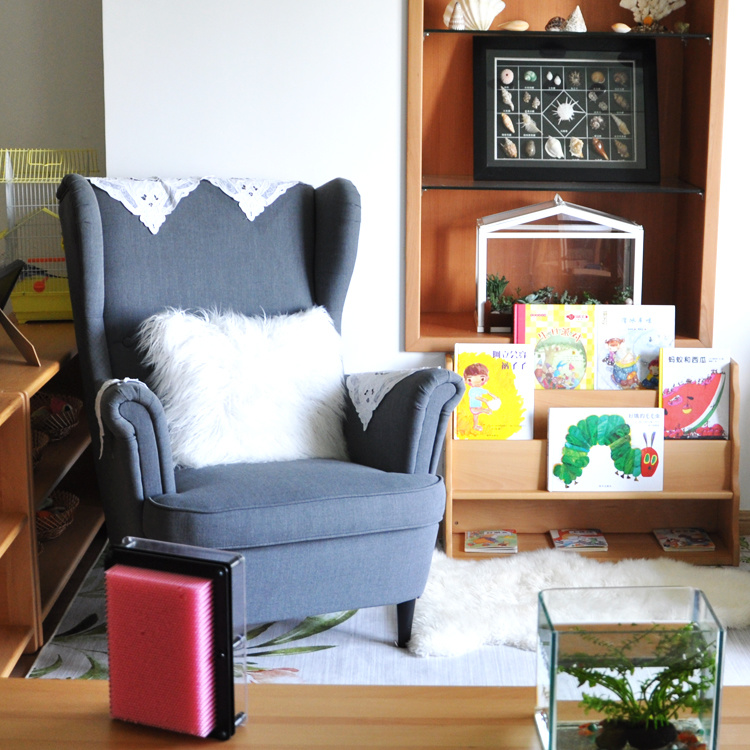
3. Nature Elements – Incorporating plants, stones, shells or other natural elements into the classroom space helps children explore their environment in a meaningful way. Nature elements can be incorporated into a preschool classroom in various ways, such as art projects, outdoor activities, and indoor sensory play. Art projects that use natural elements could include collecting items from nature to create a collage or using items found in nature to create sculptures. Outdoor activities could involve going on hikes or scavenger hunts to find different plants and animals, or simply exploring the outdoors and taking pictures of any interesting discoveries. For indoor sensory play, teachers can introduce materials like sand, leaves, feathers, shells, and rocks for students to explore with their hands or other senses. With some guidance from the teacher, these materials can be used in creative and educational ways that build problem-solving skills while helping students appreciate more of what nature has to offer. Additionally, teachers can use nature-based books, music, and videos to bring the outdoors indoors. Finally, teachers can create a “nature center” in their classroom where students can explore items from nature or build simple terrariums. Nature has something for everyone to explore and engage with, making it an ideal element to incorporate into a preschool classroom environment.
4. Safety Gear – First aid kits, fire extinguishers and safety signs should all be easily accessible in case of emergency. Preschoolers are known for their curiosity and energy, which is why it’s important to ensure that the classroom has safety gear in place. To start, you should make sure that all furniture and equipment are placed away from walls and other objects that could present a hazard. All desk chairs must have four legs on the floor with all swivel chairs having casters or wheels securely locked in place. You should also take special care when selecting toys; avoid items with sharp edges, small parts, or long strings as these can be choking hazards for young children.
5. Technology – Computers or tablets can help expand preschoolers’ understanding of the world around them through educational videos, apps and websites that are age-appropriate and engaging. Technology can be an invaluable resource for preschool classrooms. It can provide educational resources, games, and activities that help children learn in fun and engaging ways. With tech tools like tablets, computers, and interactive whiteboards, teachers can create dynamic learning experiences that foster collaboration and creativity in the classroom. By providing access to a range of digital media resources, technology encourages exploration and experimentation as well as problem-solving skills that support academic achievement. In addition to helping students develop cognitive skills such as literacy and numeracy, technology can also help them hone their social-emotional intelligence by allowing them to interact with peers through online communication tools. Technology is a powerful tool for teachers to use in the classroom — it allows them to reach out beyond traditional teaching methods to engage students in creative and interactive learning experiences. For preschoolers, the use of technology can be an especially effective way to encourage a love of learning that will carry over into their future schooling. By providing early access to educational apps and websites, teachers can help young learners develop foundational skills such as problem-solving and critical thinking. Technology also offers numerous opportunities for collaboration, allowing children to share ideas with others and work together on projects or tasks. With its range of interactive elements, technology helps create engaging lessons that capture students’ attention while reinforcing important concepts. Ultimately, using technology in the preschool classroom can provide meaningful learning experiences that help build a strong foundation for academic success.
Comfortable Seating,Reading Area,Nature Elements


Skype
Add
Liaoning Dalian
©2022 JOYSUN KIDS Porwer by www.300.cn dalian
©2022 JOYSUN KIDS Porwer by www.300.cn dalian